How Drawing and Painting Can Support Hand Mobility and Fine Motor Engagement:
What Research Actually Shows
Introduction
As people age or manage conditions like arthritis or recover from injury, maintaining comfortable and consistent use of the hands becomes increasingly important. Many adults — as well as caregivers and family members — look for gentle, engaging ways to keep hands active without strain.
Drawing and painting are often suggested as accessible creative activities. But what does research actually say about their impact on hand mobility and fine motor skills?
This article examines the current scientific evidence behind visual art activities — such as watercolor painting and drawing — and their role in fine motor engagement. Importantly, this discussion stays grounded in evidence and avoids medical claims. Standard art classes are recreational and educational by nature, not medical treatment — and it’s essential to be clear about that distinction.
Fine Motor Skills and Why They Matter
Fine motor skills involve the coordinated use of small muscles in the hands and fingers. These skills are essential for everyday tasks such as:
Holding utensils
Buttoning clothing
Writing or typing
Turning keys or opening containers
For adults with arthritis, age-related stiffness, or reduced hand strength following injury, these movements can become more difficult over time. Research in rehabilitation science consistently shows that regular, purposeful hand use plays a role in maintaining motor function and coordination.
How Drawing and Painting Engage the Hands
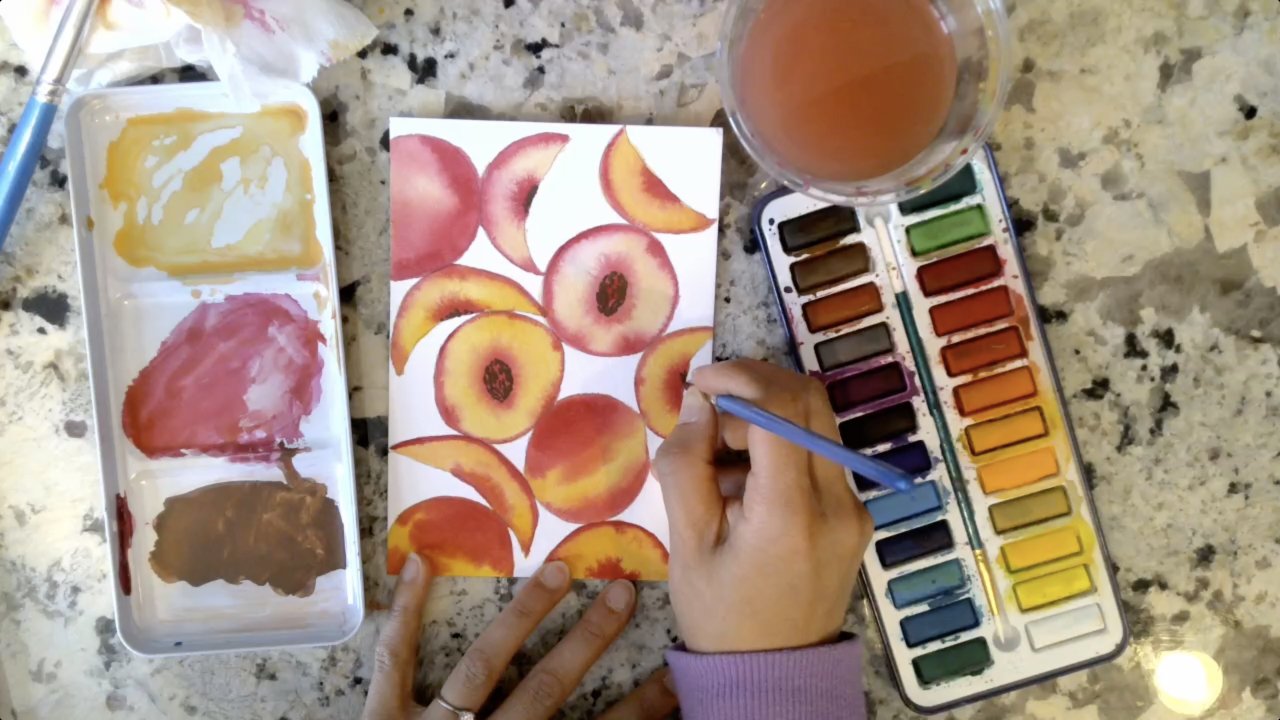
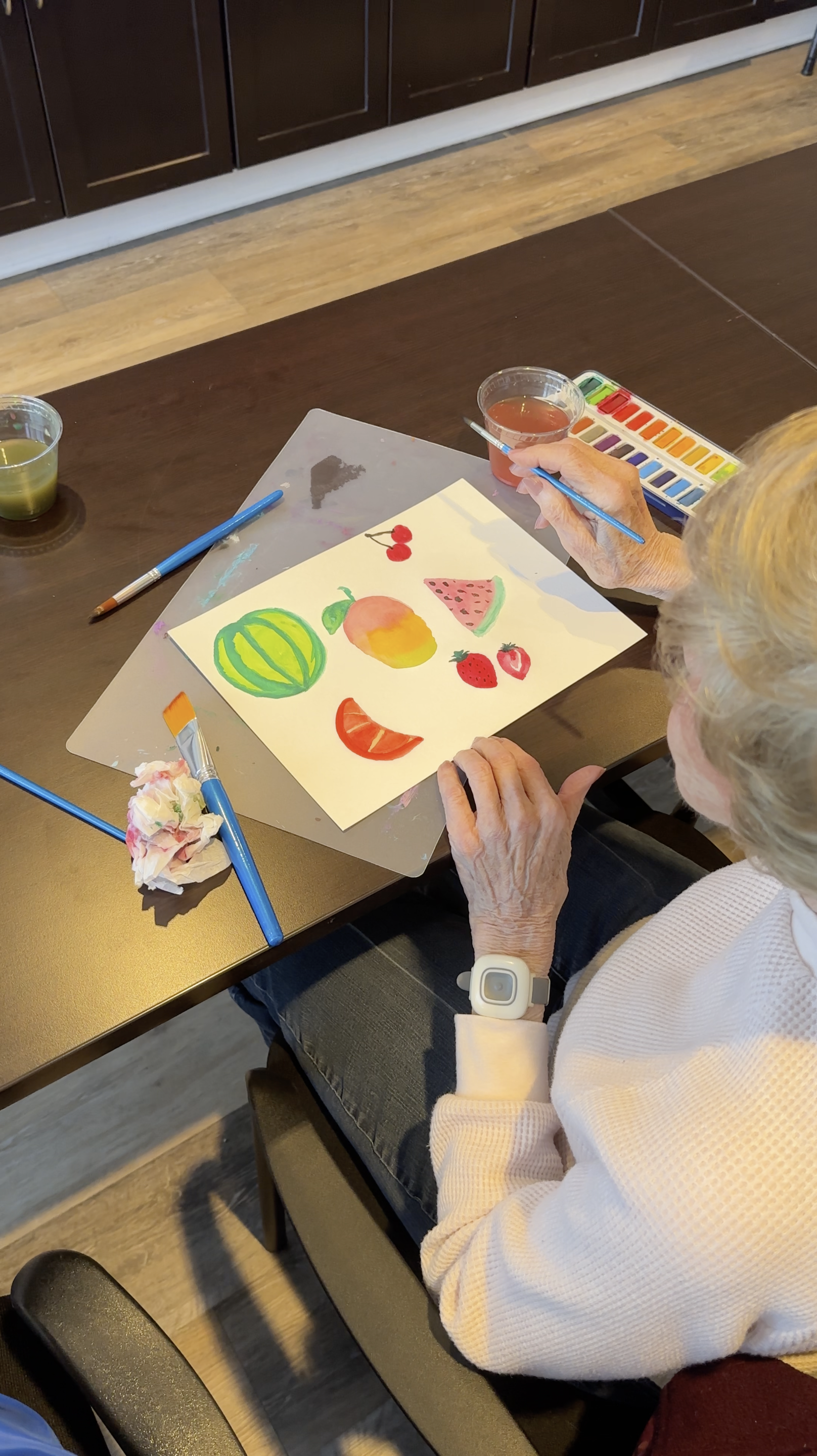
Drawing and painting require repeated, controlled hand and finger movements. These activities naturally involve:
Grasping and stabilizing tools (such as brushes or pencils)
Coordinating wrist, finger, and hand movements
Adjusting pressure and direction
Sustaining attention and hand-eye coordination
From a motor-learning perspective, these actions resemble the kinds of fine motor tasks used in occupational therapy — although art activities are not a replacement for therapy.
Health and aging research notes that arts and crafts activities provide structured opportunities for fine motor engagement, especially for older adults, in a way that is accessible and enjoyable
(Source: Healthline – Crafts for Older Adults
https://www.healthline.com/health/senior-health/crafts-for-older-adults)
What Research Shows About Arts, Crafts, and Functional Engagement
A frequently cited study examining older adults participating in a combined program of physical activity, recreation, and arts and crafts found improvements in overall functional ability and engagement. While the study did not isolate painting alone, it supports the idea that arts and crafts can play a meaningful role in programs designed to maintain physical function in older populations.
Source:
Cognitive and Physical Functioning of Older Adults Engaged in an Integrated Program of Physical Activity, Recreation, and Arts and Crafts
https://pmc.ncbi.nlm.nih.gov/articles/PMC5430285/
This research suggests that creative activities are not merely passive hobbies — they can be part of active, function-oriented routines when thoughtfully structured.
Emerging Clinical Research on Art-Based Interventions
Several registered clinical trials are currently exploring the relationship between art-based activities and outcomes such as hand function, grip strength, and cognitive engagement. Examples include:
NCT07033338 – examining occupational activities and finger exercise programs in elderly individuals
https://clinicaltrials.gov/study/NCT07033338NCT07163377 – investigating art therapy interventions and functional outcomes
https://clinicaltrials.gov/study/NCT07163377
It is critical to note:
➡️ Clinical trial registration does not mean results are proven or established.
These studies reflect active scientific interest, not confirmed conclusions.
At this time, no large-scale, high-quality clinical trials definitively show that painting or drawing alone improves hand mobility metrics such as range of motion or grip strength in adults with arthritis.
Enjoyment, Engagement, and Consistency Matter
One of the most consistent findings across aging and wellness research is that people are more likely to continue activities they enjoy. Visual art activities are associated with:
High participation rates
Positive emotional engagement
Sustained involvement over time
Even when studies focus on broader outcomes such as mood or quality of life, these factors are relevant. Continued participation means continued hand use — which is important for maintaining familiarity and comfort with fine motor movements.
Source:
Healthline – Crafts for Older Adults
https://www.healthline.com/health/senior-health/crafts-for-older-adults
What Can — and Cannot — Be Responsibly Claimed
What the Evidence Supports
✔ Drawing and painting involve fine motor engagement
✔ These activities use hand and finger movements relevant to daily tasks
✔ Arts and crafts are associated with functional engagement in older adults
✔ Art activities are generally well-tolerated and enjoyable
What the Evidence Does NOT Support
✘ Claims that painting restores hand mobility
✘ Claims that art replaces medical or therapeutic treatment
✘ Claims of guaranteed improvement in arthritis symptoms
Maintaining this distinction is essential — both ethically and legally.
Why Gentle, Recreational Art Classes Can Still Be Valuable
Even without medical claims, structured art classes provide something meaningful:
A gentle way to practice using the hands
A non-intimidating environment for consistent activity
Social engagement, which supports participation
A focus on creativity rather than performance or rehabilitation
For many adults, especially those managing stiffness or reduced dexterity, this combination makes creative practice sustainable over time.
Conclusion
Current research does not position drawing or painting as medical treatment for hand mobility conditions. However, scientific evidence supports the idea that visual art activities engage fine motor skills in ways relevant to everyday hand use, particularly for older adults.
As research continues to explore art-based interventions, watercolor painting and drawing remain valuable recreational and educational activities — offering an accessible, enjoyable way to keep hands active while fostering creativity and connection.
Interested in booking a class?